Digital signage solutions are transforming how businesses communicate with customers, employees, and visitors. Instead of traditional posters or printed banners, organizations now use digital screens to display advertisements, announcements, menus, promotions, and information in real time.
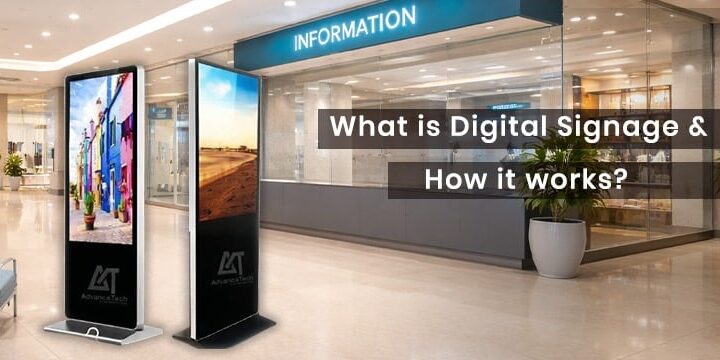
From shopping malls and airports to restaurants and corporate offices, digital screens are becoming a powerful communication tool. Retail stores, exhibitions, and events commonly use the digital standee display as a popular format to attract attention and deliver dynamic content.
In this guide, we will explain what digital signage is, how it works, and why digital signage solutions are essential for modern businesses.
What is digital signage?
“Digital signage solutions” refer to a network of digital screens used to display multimedia content such as images, videos, text, and live data. Software typically manages these displays remotely, enabling businesses to instantly update content.
Unlike static signage, digital signage allows businesses to deliver engaging and dynamic messages that capture customer attention.
Examples include:
-
Digital advertising screens in malls
-
Menu boards in restaurants
-
Information screens in airports
-
Promotional displays in retail stores
-
Event promotion using Digital Standee Display units
Digital signage helps businesses improve communication and enhance customer experience through visually appealing content.
How Digital Signage Works
Digital signage systems operate through a combination of hardware and software that controls and displays digital content.
The basic workflow of digital signage solutions includes the following:
1. Content Creation
Businesses create visual content such as:
-
Promotional videos
-
Product advertisements
-
Announcements
-
Interactive media
This content is designed using graphic design tools or digital signage software.
2. Content Management System (CMS)
A content management system allows users to upload, schedule, and manage content remotely.
For example, a retail chain can update promotions across hundreds of screens using a centralized CMS.
External Resource:
Learn more about digital signage systems from
Digital Signage Federation
3. Media Player
A media player connects to the display screen and receives content from the CMS. It processes and displays the content on the screen.
4. Display Screen
The final step is showing the content on screens such as:
-
LCD screens
-
Touch screens
-
Digital Standee Display units
These displays can show scheduled or real-time content updates.
Key Components of Digital Signage Systems
A typical digital signage solutions setup includes several components.
Display Screens
These are the visual output devices where content is shown.
Examples include wall-mounted screens, kiosks, and digital standee display units.
Media Player
The media player connects the screen to the content system and ensures smooth playback.
Content Management Software
This software allows businesses to manage multiple screens and update content remotely.
Internet Connectivity
Internet connectivity allows screens to receive updated content and data in real time.
Types of Digital Signage Displays
Video Wall Displays
Large screens made of multiple displays used in shopping malls or control rooms.
Interactive Kiosks
Touch-enabled screens that allow users to interact with the content.
Menu Boards
It is common in restaurants and cafes to display menus digitally.
Digital Standee Display
A digital standee display is a vertical digital screen used for promotions in retail stores, exhibitions, hotels, and corporate environments.
These displays are attractive, simple to move, and perfect for displaying advertisements or product information.
Benefits of Digital Signage Solutions
Businesses worldwide are adopting digital signage solutions because of the numerous advantages they offer.
1. Increased Customer Engagement
Moving visuals and videos attract more attention than static posters.
2. Real-Time Content Updates
Businesses can update promotions instantly without printing new materials.
3. Cost-Effective Marketing
Over time, digital signage reduces printing and distribution costs.
4. Improved Brand Visibility
High-quality visuals enhance brand perception and awareness.
5. Better Communication
Organizations use digital signage to share information with employees and visitors.
6. Data Integration
Digital signage can integrate with live data such as weather updates, news feeds, and social media.
7. Flexible Advertising
Businesses can schedule multiple advertisements throughout the day.
Industries Using Digital Signage
Many industries benefit from digital signage solutions.
Retail
Retail stores use digital screens to promote products and seasonal offers.
Hospitality
Hotels use digital signage for guest information and promotions.
Healthcare
Hospitals display appointment schedules and health information.
Education
Schools and universities use digital signage to share announcements.
Corporate Offices
Companies use digital screens for internal communication.
Why Businesses Use Digital Standee Display
The Digital Standee Display is one of the most effective digital advertising tools.
Benefits include:
-
Portable and easy to install
-
Eye-catching vertical design
-
Perfect for exhibitions and retail stores
-
Supports video and animated promotions
-
Enhances customer engagement
Because of these advantages, many businesses include digital standee display units as part of their digital signage solutions strategy.
Best Practices for Digital Signage Content
To get the best results from digital signage solutions, businesses should follow these content strategies.
Keep Content Simple
Avoid overcrowded designs and keep messages clear.
Use High-Quality Visuals
High-resolution images and videos attract more attention.
Update Content Regularly
Fresh content keeps audiences engaged.
Use short messages.
Digital signage content should be easy to read within a few seconds.
Future of Digital Signage Technology
The future of digital signage solutions looks promising with new innovations such as:
-
AI-powered content recommendations
-
Interactive touch displays
-
Facial recognition for targeted ads
-
Real-time data integration
-
Smart Digital Standee Display advertising systems
These technologies will make digital signage even more powerful for marketing and communication.
Frequently Asked Questions (FAQ)
What are digital signage solutions?
Digital signage solutions are systems that use digital screens to display multimedia content for advertising, information, and communication purposes.
What is a Digital Standee Display?
A digital standee display is a vertical digital screen used for promotions in retail stores, events, and exhibitions.
How does digital signage work?
Digital signage works by using content management software, media players, and display screens to show digital content such as videos and images.
Where is digital signage used?
Digital signage is commonly used in retail stores, airports, hospitals, hotels, schools, and corporate offices.
Why is digital signage important for businesses?
Digital signage helps businesses attract customers, improve communication, and promote products more effectively.